
Book Smart Accountancy & Tax Advisors Ltd

VAT


Value Added Tax (VAT) is one of the most complex areas of Irish taxation, and getting it wrong can be costly. Whether you are registering for VAT for the first time, managing ongoing VAT returns, or dealing with a Revenue query, Book Smart Accountancy is here to make the process straightforward and stress-free.

We work with sole traders, partnerships, and limited companies across a wide range of industries to ensure their VAT obligations are met accurately and on time. From determining whether you need to register, to preparing and filing your returns, to advising on the correct VAT treatment for your specific transactions, we handle every aspect of your VAT compliance.

Irish businesses must register for VAT once their taxable turnover exceeds certain thresholds. For the supply of goods, the threshold is currently EUR 80,000, and for services it is EUR 40,000. However, registration can also be voluntary, and in some cases it makes financial sense to register even below these thresholds.


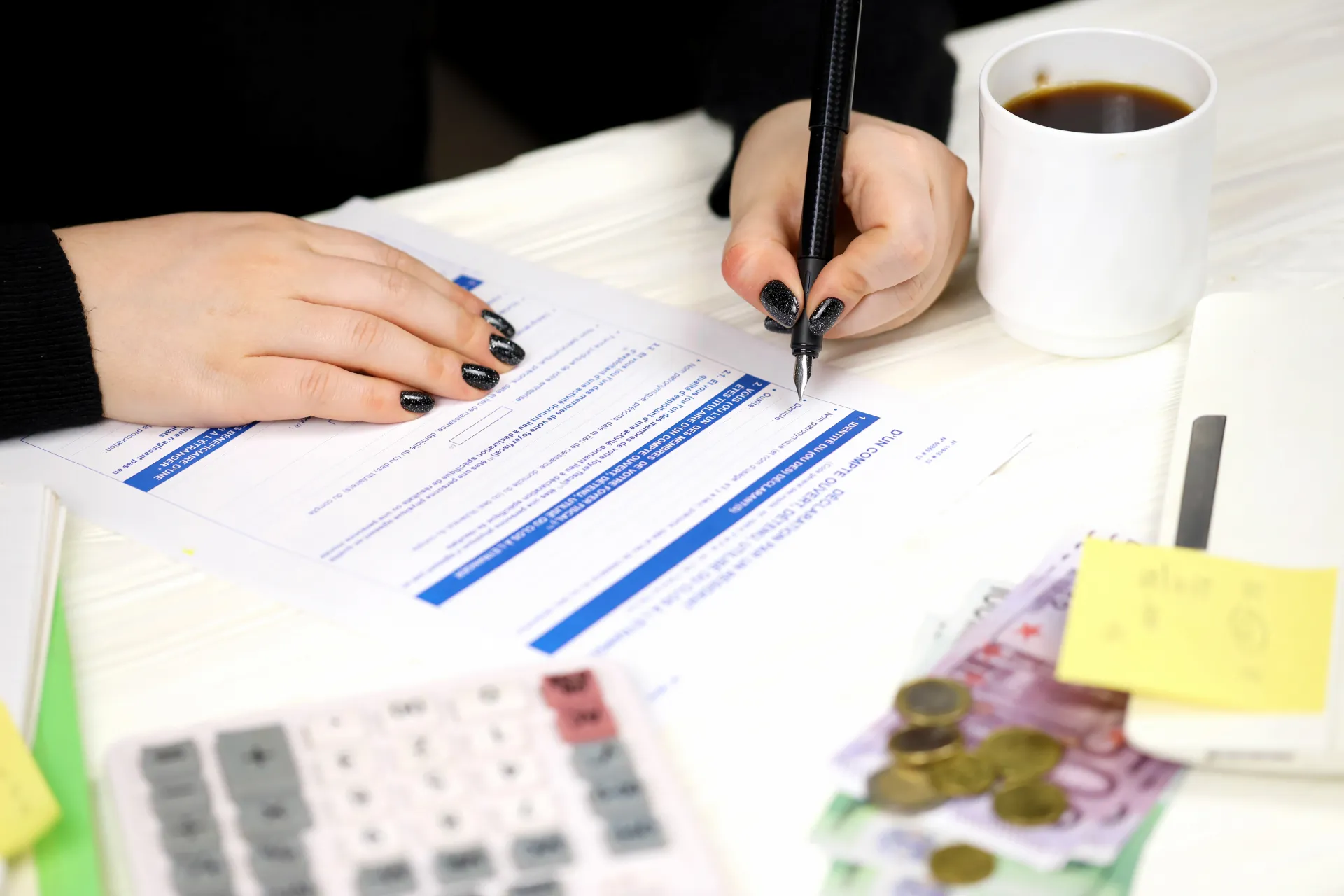
We help you assess your position, register with Revenue where required, and put the right processes in place so that your VAT records are always accurate and up to date. We also advise on VAT rates, exemptions, and the recoverability of VAT on business expenses, so you never overpay or underclaim.

With Book Smart Accountancy managing your VAT, you can focus on running your business with the confidence that your obligations are fully taken care of.

Book Smart Accountancy & Tax Advisors Ltd

Things to Know or Watch Out For with VAT

  • VAT Registration Thresholds Apply Separately to Goods and Services - The threshold for goods is EUR 80,000 and for services is EUR 40,000. Exceeding either requires mandatory registration within a set timeframe.
  • Late Registration Carries Penalties - Failing to register for VAT on time can result in interest and surcharges on any VAT that should have been collected from the date you were liable to register.
  • VAT Returns Must Be Filed Even with Nil Liability - If you are registered for VAT, you must file returns by the due date regardless of whether you owe any VAT in that period.
  • VAT on Imports and Cross-Border Transactions - Purchasing goods or services from outside Ireland, including from the EU, can trigger Irish VAT obligations. These rules can be complex and vary depending on the nature of the transaction.
  • Partial VAT Recovery Rules - If your business makes both VATable and exempt supplies, you may only be able to reclaim a portion of the VAT on your costs. Getting this calculation wrong can lead to underclaiming or overclaiming.
  • Cash Accounting vs Invoice Basis - Smaller businesses may be eligible for cash accounting, meaning VAT is only accounted for when payment is received rather than when an invoice is issued. This can be beneficial for cash flow but has specific eligibility conditions.
  • Revenue Audits Can Include VAT - VAT is a common focus area in Revenue audits. Keeping accurate and complete VAT records is essential to protecting your business.
  • VAT on Property Transactions - The VAT rules around property can be particularly complex. Whether you are developing, selling, or leasing commercial or residential property, specialist advice is recommended.

Book Smart Accountancy & Tax Advisors Ltd

Frequently Asked Questions

If your turnover from taxable supplies exceeds EUR 80,000 for goods or EUR 40,000 for services in any twelve-month period, you are legally required to register for VAT. Voluntary registration is also possible below these thresholds if it suits your business. We can assess your situation and advise you on the right approach.
Most businesses file VAT returns bi-monthly, meaning every two months. However, some businesses file monthly, quarterly, or annually depending on their turnover and agreement with Revenue. We will help you identify the correct filing frequency for your business.
Not always. VAT can only be reclaimed on expenses that are wholly and exclusively for the purposes of your business and that relate to taxable supplies. Certain categories, such as entertainment, have restrictions. We review your expenses and ensure you claim everything you are entitled to while staying compliant.
If an error is discovered after a return has been filed, it can generally be corrected on a future return, provided the net error does not exceed EUR 6,000. Larger errors must be disclosed to Revenue directly. We help you identify and correct any issues promptly and in a way that minimises exposure to penalties.
Both categories result in no VAT being charged to the customer, but they are treated differently. Zero-rated supplies allow the business to reclaim VAT on related costs. Exempt supplies do not, which means VAT on related expenses becomes a real cost to the business. Common zero-rated items include most food and children's clothing. Common exempt activities include financial services and insurance.
The rules depend on whether you are selling goods or services and who the customer is. Sales of goods to businesses in other EU countries are generally zero-rated, provided the customer is registered for VAT and you retain the necessary documentation. Sales of services to business customers outside Ireland are generally outside the scope of Irish VAT. Sales to consumers can be more complex, particularly for digital services. We advise on the correct treatment for your specific customer base.
You must keep records that allow Revenue to verify the VAT you have charged and reclaimed. This includes sales invoices, purchase invoices, import and export documents, bank statements, and a VAT account summarising your returns. Records must generally be retained for six years. We can advise on the best systems for keeping your VAT records in order.
Yes. We represent clients in all dealings with Revenue, including responses to queries, compliance interventions, and formal audits. If Revenue contacts you about your VAT affairs, we can step in immediately to manage the process, prepare the required information, and represent you throughout.

If you’ve stopped trading and no longer need the company, we can help with the voluntary strike-off process. This ensures your company is properly closed with no outstanding CRO obligations. Let us know, and we’ll advise you on the best course of action.

Contact Us

Get in Touch

We'd love to hear from you. Please fill out the form below and we'll get back to you as soon as possible.

Trusted By

Find out more about how we deliver solutions that actually work for your business

We use cookies to enhance your experience and analyse website traffic. Learn more about our cookie policy. Your current choice: all cookies. Your current choice: optional cookies rejected. Only the ones the site needs to work are used.